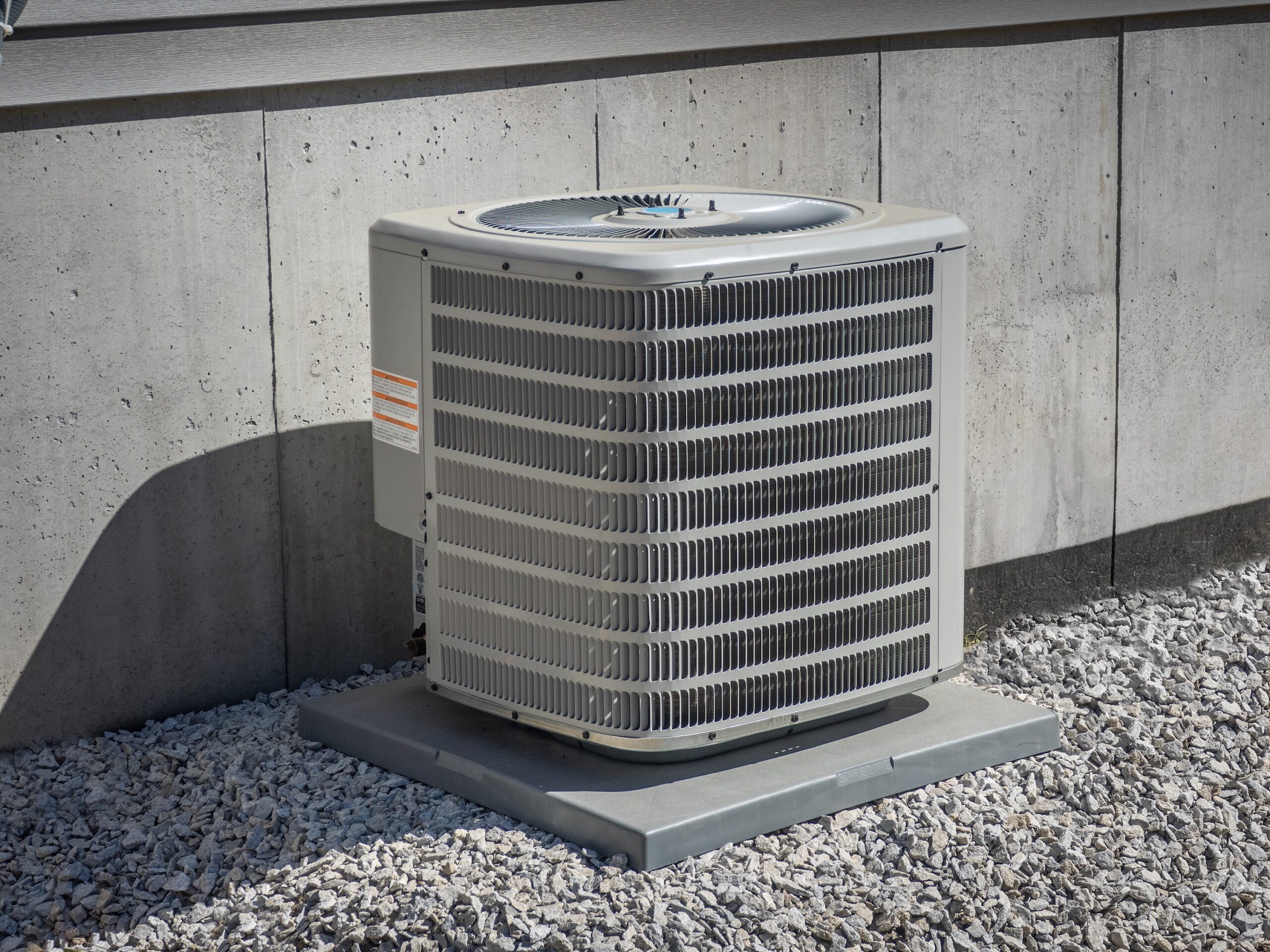



It’s a common frustration: While most of the house feels comfortable, one room is stubbornly hot in summer or freezing in winter. If you constantly adjust the thermostat to compensate for that one space, you’re not alone. Many homeowners in Shreveport and Bossier City face this issue of uneven temperatures.
The problem often stems from issues like restricted airflow, ductwork problems, poor insulation, or sun exposure. Understanding how conditioned air travels from your HVAC system is the first step in diagnosing and solving these frustrating hot and cold spots for good.
Why Does One Room Get Less Heating or Cooling Than Others?
The core issue is almost always a difference in airflow. Your HVAC system is designed to distribute a set volume of conditioned air throughout your home. When one room receives less air than others, its temperature will drift away from your thermostat setting. This can happen for several reasons related to your home’s layout.
For example, rooms located farthest from the air handler or furnace often struggle the most. Conditioned air has a longer journey, and any inefficiencies along the way are magnified. Long, complex duct runs or home additions can also disrupt the intended airflow balance. This is why the same room has temperature problems in both summer and winter; it consistently gets less conditioned air, regardless of the season.
Could Blocked Vents or Dirty Filters Be Causing the Problem?
Before assuming a major system fault, check for simple obstructions. Sometimes, the fix for an uncomfortable room is surprisingly easy.
Check the supply vents in the problem room. A large piece of furniture, a thick rug, or a heavy curtain can block them. Even a partial obstruction can severely restrict airflow and prevent the room from reaching the desired temperature.
Another common culprit is a dirty HVAC filter. A clogged filter forces your system to work harder and reduces the total volume of air it can circulate. This diminished airflow is felt most in rooms that are already at a disadvantage.
Also, check that all supply and return air vents are open. It’s a misconception that closing vents in unused rooms redirects air effectively. In reality, this can increase pressure in your duct system, leading to air leaks and straining your equipment without balancing temperatures.
How Do Ductwork Problems Create Hot and Cold Spots?
If simple obstructions aren’t the issue, the problem may lie within your ductwork. Your home’s ducts are the circulatory system for your HVAC, and any issues will directly impact comfort. Leaky ducts are a major cause of energy loss and uneven temperatures. If a duct run has gaps or disconnected seams, conditioned air can escape before reaching the room.
This is especially pronounced when ductwork is routed through hot Louisiana attics. Air traveling to a distant room can pick up heat if the ducts are leaky or poorly insulated. Other problems include crushed or kinked ducts that restrict flow, or duct runs that were improperly sized. A professional can perform airflow balancing and make targeted duct repairs to ensure each room gets enough air.
Can Insulation, Windows, and Sun Exposure Affect Room Temperature?
Sometimes, the HVAC system delivers plenty of air, but the room struggles to maintain its temperature. This is a building envelope issue related to insulation, windows, and solar gain. Rooms with south- and west-facing windows get blasted with direct afternoon sun, creating a higher cooling load.
Inadequate insulation in the attic or walls allows more heat to enter during summer and leave during winter. This is noticeable in rooms above a garage or next to unconditioned spaces. Drafty windows and poorly sealed exterior doors can also make a room feel chilly. These factors force your air conditioning and heating systems to work overtime.
- Large, older, or single-pane windows
- Spaces with high vaulted ceilings
- Rooms on a concrete slab foundation
- Bonus rooms situated over a garage
- Rooms with multiple exterior walls
- Any space part of a home addition
Is Your Thermostat Contributing to Uneven Temperatures?
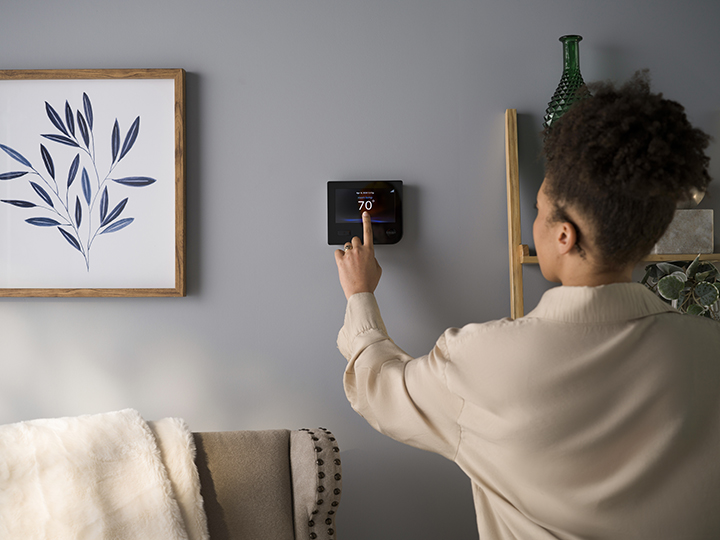
The location of your thermostat is crucial to how your system operates. Your HVAC unit runs until the area around the thermostat reaches the set temperature, and then it shuts off.
If your thermostat is in a central hallway that heats or cools quickly, it might shut the system off long before a distant bedroom is comfortable.
That central hallway temperature may not represent conditions in other parts of your home. Changing the setpoint on a single thermostat affects the entire system. It makes the whole house warmer or cooler but won’t fix the underlying distribution problem.
For homes with persistent comfort issues, modern solutions can provide a more sophisticated fix. Options like remote temperature sensors or zoning controls tell the system to run based on the temperature in specific rooms.
Could Your HVAC System Be Improperly Sized?
An improperly sized HVAC system can also contribute to comfort problems, though it’s not usually the sole cause of a single hot or cold room.
For example, an oversized air conditioner can cool the air near the thermostat so quickly that it shuts off before circulating air to all rooms or removing humidity. This is known as short cycling.
Conversely, an undersized system will struggle to keep up during extreme Louisiana temperatures, running constantly without reaching the setpoint. The rooms that are already hardest to heat or cool will suffer the most.
While equipment size is a factor, it often amplifies existing problems with ducts or insulation. A professional determines the right size for heating and cooling equipment by performing detailed load calculations that account for your home’s specific features.
What’s the Best Way to Fix a Room That’s Always Too Hot or Cold?
The most effective solution starts with a proper diagnosis. A technician can perform airflow testing and a ductwork evaluation to pinpoint where conditioned air is lost or restricted. Based on these findings, the right fix can be implemented.
In many cases, targeted insulation improvements and air sealing can make a huge difference. If the HVAC equipment is underperforming, an AC repair might be necessary to restore proper function.
For persistent issues in additions or converted spaces, a ductless mini-split system provides dedicated heating and cooling. Identifying the underlying cause should always come before a full system replacement since new equipment won’t fix bad ductwork or poor insulation.
Get Consistent Home Comfort With Brooks Heating and Air Conditioning
A room that’s never the right temperature is frustrating, but you don’t have to settle for inconsistent comfort. The cause could be a blocked vent, leaky ductwork, or poor insulation. The team at Brooks Heating and Air Conditioning has the expertise to diagnose the root cause of uneven temperatures in your Shreveport or Bossier City home.
Our experienced technicians can identify the source of your hot and cold spots and recommend the most effective solution to restore balance to every room.
Contact us today for expert heating and air conditioning services in Shreveport and Bossier City, Louisiana.
Uneven Heating and Cooling FAQs
Why is my bedroom hotter than the rest of my house?
Bedrooms, especially master bedrooms, are often at the end of a long duct run, meaning they get less airflow. They might also be on the second floor, have more windows, or be over a hot garage, all of which increases their cooling load.
Can a ductless mini-split fix one room that’s always too hot or cold?
Yes. A ductless mini-split is an excellent solution for a single problem room. It operates independently of your central HVAC system, providing dedicated heating and cooling. This allows you to control its temperature precisely without affecting the rest of the house.
Will closing vents in other rooms help balance the temperature?
While it seems logical, closing vents is not an effective strategy. Doing so can increase pressure in your duct system, which can cause leaks and strain your HVAC equipment’s blower motor. This may not significantly improve airflow to the problem room. A professional air balancing service is a safer and more effective approach.